Gold Plating Singapore
镀金
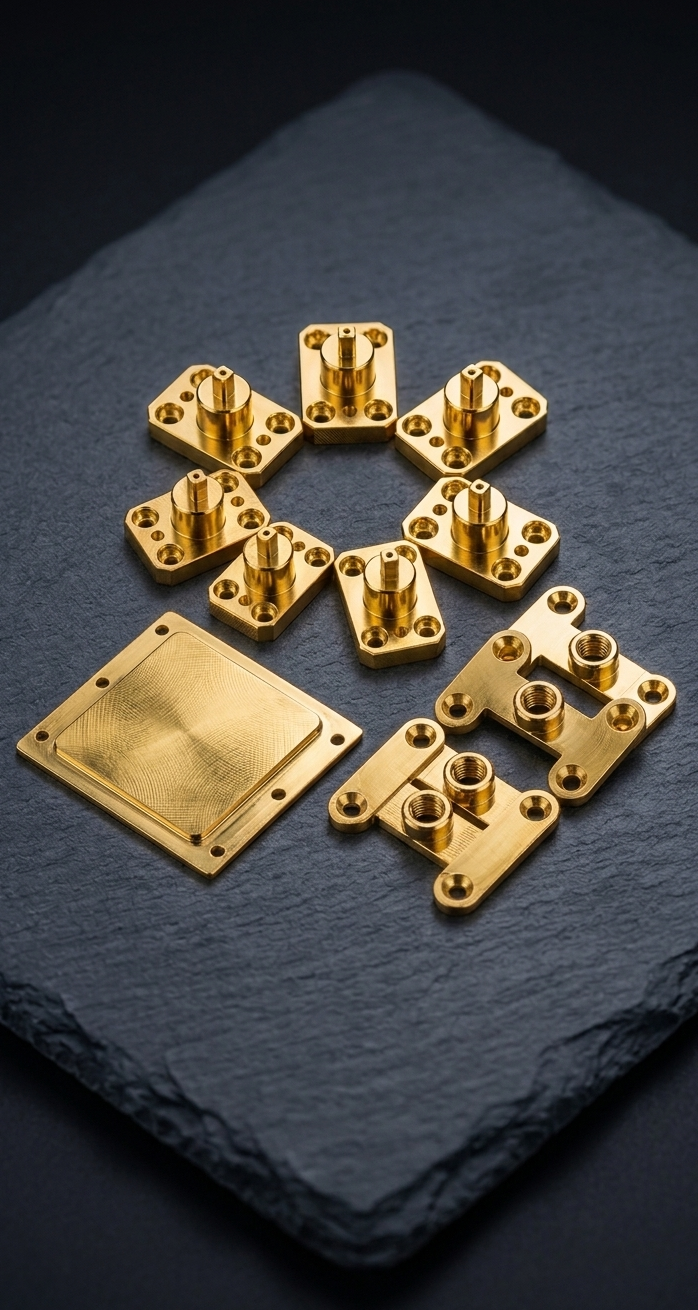
Production gold plating for electrical contacts, RF connectors, PCB, semiconductor, and medical components, with soft and hard gold options.
Active Treatment provides production and industrial gold plating services in Singapore for components that require dependable electrical contact performance, solderability, chemical inertness, and resistance to oxidation and tarnishing. We provide soft high-purity gold and hard gold deposits for different functional requirements.
Soft Gold vs Hard Gold Plating
Soft gold is 99.9%+ purity and is selected for conductivity, solderability, and wire bonding. Hard gold is alloyed with cobalt or nickel to provide greater hardness and wear resistance on contact surfaces that are repeatedly mated and unmated. The correct deposit depends on the component function, contact cycles, assembly process, and customer specification.
Electrical, RF and Semiconductor Applications
Production applications include PCB edge contacts, RF connectors, semiconductor wire-bonding pads, precision relay contacts, and other electrical contact surfaces. Gold is used where stable contact performance and resistance to oxidation and tarnishing are important. Selective plating can restrict the deposit to functional areas and reduce gold usage.
Medical and Precision Component Applications
Gold plating is also used on medical-device electrodes and precision components where the documented properties of the specified gold deposit are required. Customers should provide the applicable material, performance, inspection, and regulatory requirements so process suitability can be reviewed.
Thickness, Purity and Nickel Underplate
The published gold thickness range is 0.1–5 µm, with 1–2 µm typical for connectors. Gold is commonly applied over a nickel barrier layer, which limits diffusion from copper substrates and provides a suitable base for deposition. We process copper, brass, nickel-plated parts, and PCB contacts; underplate and final thickness should be stated on the drawing.
Production Gold Plating in Singapore
Active Treatment supports semiconductor production components, telecommunications, medical-device components, aerospace, and other precision production requirements in Singapore and Southeast Asia. Batch quantity, selective areas, racking and masking, test requirements, and repeatability expectations should be included during quotation.
Request a Production Gold Plating Quote
Send the substrate, drawing, quantity and batch frequency, soft or hard gold requirement, purity and thickness, nickel-underplate requirement, selective plating areas, electrical or assembly needs, inspection documentation, and delivery schedule. Our team will review the specification and provide a production gold plating quotation.
Key Benefits
- Stable, low-resistance electrical contact surfaces
- Strong resistance to oxidation and tarnishing
- Excellent solderability and wire bondability for electronics assembly
- Suitable for specified medical electrodes and precision components after requirements review
- Hard gold option provides wear resistance for high-cycle connectors
- Selective plating available to minimise gold usage and reduce cost
Specifications
| Substrate | Copper, brass, nickel-plated parts, PCB contacts |
|---|---|
| Thickness | 0.1–5 µm (typical connector: 1–2 µm) |
| Electrolyte | Neutral gold sulfite bath |
| Gold purity | 99.9%+ (soft gold) / Au+Co or Au+Ni (hard gold) |
| Hardness (hard gold) | HV 160–200 |
| Hardness (soft gold) | HV 90–130 |
Frequently Asked Questions
What is gold plating?
Gold plating is an electrochemical electroplating process that deposits a thin layer of high-purity gold onto a metal substrate to boost electrical conductivity, corrosion resistance, and appearance. Active Treatment Pte Ltd provides both decorative gold plating and industrial gold plating in Singapore.
Why is gold plating used?
A specified gold coating provides a stable, low-resistance contact surface, strong resistance to oxidation and tarnishing, solderability, and a premium finish. The required deposit type and thickness depend on the component's electrical, assembly, wear, and appearance requirements.
Can industrial components be gold plated?
Yes. Industrial gold plating is routinely applied to connectors, PCB contacts, semiconductor parts, relays, and medical components. Active Treatment plates copper, brass, and nickel-plated substrates for reliable, repeatable results.
How long does gold plating last?
Service life depends on deposit type and thickness, nickel-underplate condition, contact cycles, handling, and the operating environment. Hard gold and an appropriate specified thickness improve wear resistance for contacts that are mated repeatedly.
Which industries require gold plating?
Electronics, telecommunications, semiconductor, aerospace, defence, and medical device manufacturers in Singapore rely on gold plating for conductivity, reliability, and corrosion resistance; jewellery and luxury goods use decorative gold plating for its finish.
Request a Quote
Contact Active Treatment Pte Ltd in Singapore for Gold Plating Singapore. Call +65 6352 9846 or email activetreatment88@yahoo.com.sg.