Aluminium Anodizing Singapore
铝阳极氧化
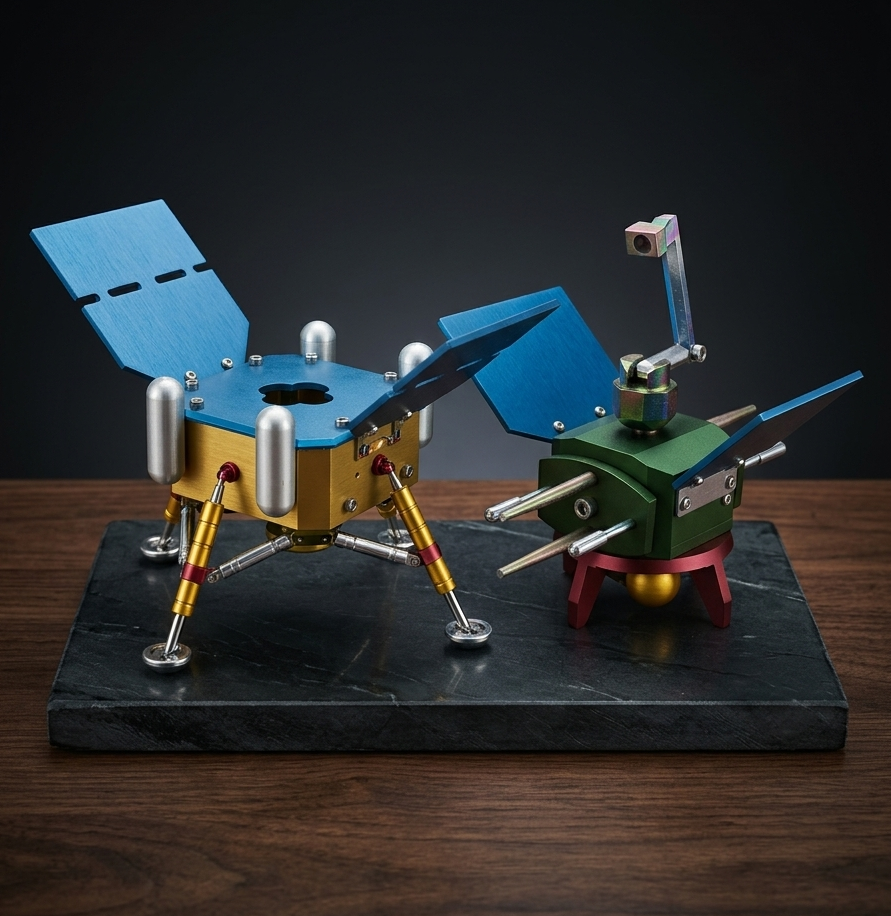
Type II decorative and Type III hard-coat aluminium anodizing for corrosion protection, colour, hardness, and specified engineering requirements.
Active Treatment provides aluminium anodizing services in Singapore for functional and decorative components. Anodizing is an electrochemical process that converts the aluminium surface into an integral anodic oxide layer, improving corrosion resistance and surface hardness while retaining a metallic finish.
We provide Type II decorative anodizing and Type III hard-coat anodizing. Process selection depends on the aluminium alloy, required colour and appearance, service environment, wear requirement, and dimensional allowance shown on the drawing.
Type II vs Type III Aluminium Anodizing
Type II anodizing produces a 5–25 µm oxide layer for decorative, architectural, and moderate-wear applications. The porous layer can be dyed in clear, black, blue, red, green, gold, and other specified colours. Type III hard-coat anodizing produces a denser 25–125 µm layer with hardness up to HV 500 for engineering parts where wear resistance is more important.
Aluminium Alloys and Finish Appearance
We anodize 2xxx, 5xxx, 6xxx, and 7xxx-series aluminium alloys. Alloy composition and initial surface condition affect the final shade, brightness, and colour consistency; high-copper 2xxx alloys may appear darker. Machining marks and deep scratches remain visible unless suitable surface preparation is specified, so samples or a pre-production trial can help establish cosmetic expectations.
Thickness and Dimensional Considerations
The anodic oxide grows both into and out from the original aluminium surface. Drawings should identify close-tolerance diameters, threads, sealing faces, electrical contact areas, and surfaces that require masking. Existing anodize can be stripped and reapplied, but stripping removes some base metal and must be considered on close-tolerance parts.
Applications for Anodized Aluminium
Type II finishes suit architectural parts, consumer-electronics components, and other parts requiring colour and corrosion protection. Type III is suited to wear-critical engineering, semiconductor equipment components, and aerospace components. For a specialised non-reflective black Type III finish, review our Hard Black Anodizing service.
Request an Aluminium Anodizing Quote in Singapore
Send the aluminium alloy, drawings and dimensions, quantity, Type II or Type III requirement, target thickness and colour, critical tolerances, masking areas, surface-finish expectations, applicable standard, and delivery requirement. Active Treatment will review the specification and quote the suitable anodizing process.
Key Benefits
- Superior corrosion resistance in marine and industrial environments
- Wide colour range including custom matched colours
- Increased surface hardness up to HV 500 (hard coat)
- RoHS and REACH compliant — no heavy metals
- Masking and dimensional allowances available for tight-tolerance features
- Hard, wear-resistant surface that won't peel or chip
Specifications
| Standard | MIL-A-8625F Type II / Type III |
|---|---|
| Substrate | Aluminium alloys (2xxx, 5xxx, 6xxx, 7xxx) |
| Colour options | Clear, black, blue, red, green, gold, custom |
| Surface hardness | HV 250–500 |
| Layer thickness (standard) | 5–25 µm |
| Layer thickness (hard coat) | 25–125 µm |
Frequently Asked Questions
What aluminium alloys can be anodized?
We can anodize most aluminium alloys including 2xxx, 5xxx, 6xxx, and 7xxx series. High-copper alloys (2xxx) may produce darker finishes. We recommend a pre-production trial for alloys you are unsure about.
What is the difference between Type II and Type III anodizing?
Type II (standard) anodizing produces a 5–25 µm oxide layer suitable for decorative and moderate-wear applications. Type III (hard coat) produces a denser 25–125 µm layer with significantly higher hardness, ideal for wear-critical engineering components.
Can anodized parts be re-anodized?
Yes. Existing anodize can be stripped chemically and the part re-anodized. However, each strip/re-anodize cycle removes some base metal, so it is not advisable for close-tolerance parts beyond 1–2 cycles.
What colours are available?
We offer a full spectrum including clear, black, blue, red, green, gold, bronze, and custom matched colours. Colour consistency across batches depends on alloy composition and surface preparation.
How should I prepare parts before sending them for anodizing?
Parts should be free of oil, grease, paint, and heavy oxidation. Deep scratches or machining marks will remain visible after anodizing. Please inform us of any masking requirements for threads, sealing surfaces, and other critical areas.
Request a Quote
Contact Active Treatment Pte Ltd in Singapore for Aluminium Anodizing Singapore. Call +65 6352 9846 or email activetreatment88@yahoo.com.sg.